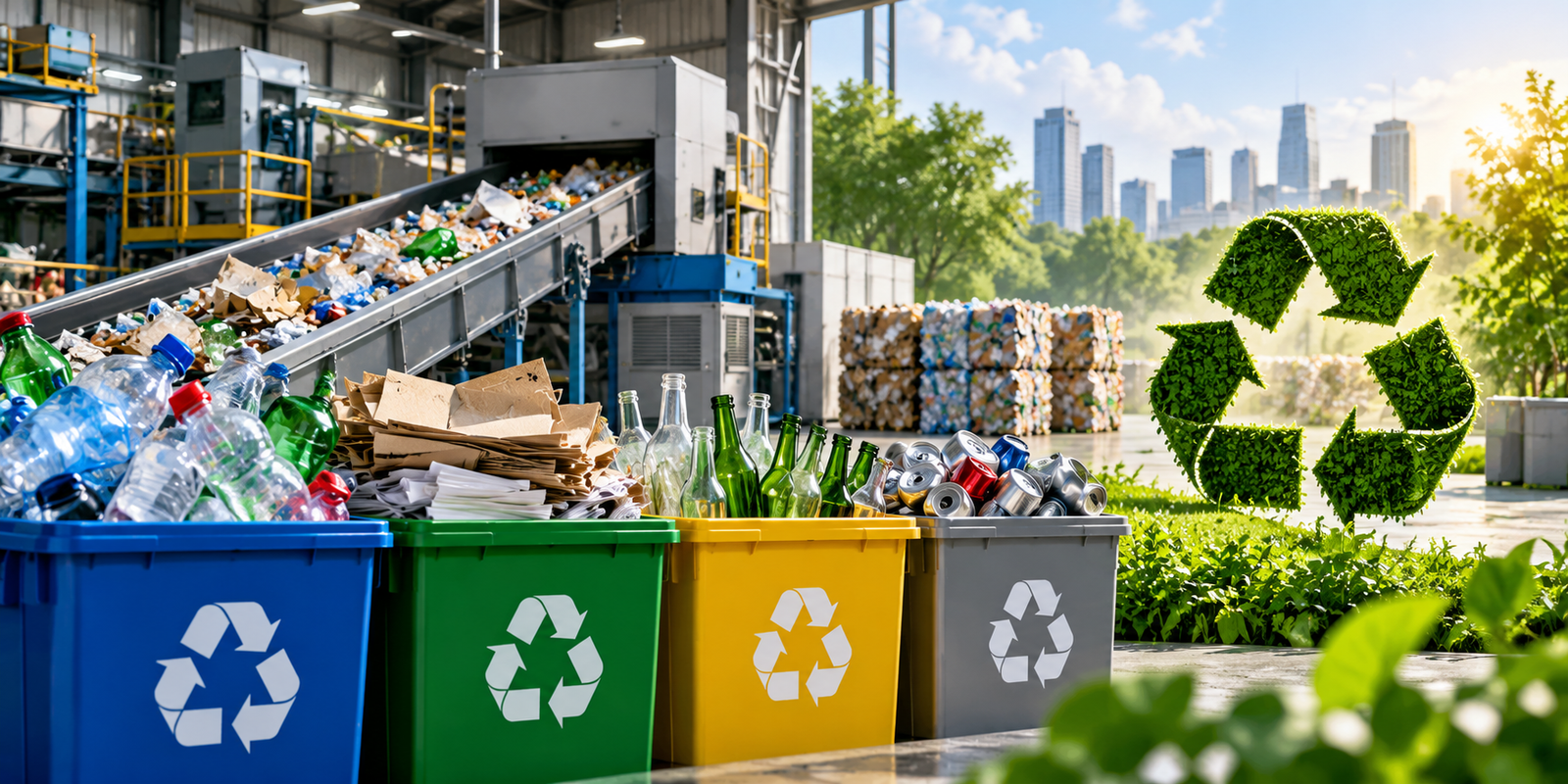
MataRecycler sounds straightforward until you actually start thinking about what happens after something goes into the recycling bin. Plastic bottles, cardboard boxes, metal cans, old electronics, and other unwanted materials all follow different routes before they can potentially become useful products again. This is where MataRecycler enters the conversation as a source of information focused on making recycling and sustainability easier to understand.
MataRecycler is primarily associated with responsible recycling, waste reduction, reuse, sustainable practices, and environmental education. Instead of treating recycling as a simple habit of separating trash, the platform looks at the bigger picture: how people use resources, how waste is managed, and how better everyday decisions can reduce environmental pressure.
The growing interest in MataRecycler also reflects a wider change in how people think about waste. Consumers, businesses, and communities are becoming more aware that throwing something away does not make it disappear. Sustainable waste management requires knowledge, proper sorting, responsible consumption, and, increasingly, smarter technology.
What Is MataRecycler?
MataRecycler can best be described as an online resource connected with recycling education and sustainable living. Its purpose is to provide understandable information about recycling methods, waste management, reuse, environmental responsibility, and ways people can reduce unnecessary waste.
This distinction is important because some websites describe MataRecycler as though it were a specific AI-powered recycling machine. Others present it as a broad smart recycling system using cameras, sensors, automation, and artificial intelligence. Those ideas may resemble technologies that genuinely exist in the recycling industry, but there is no strong evidence that MataRecycler itself is one clearly documented commercial machine with fixed technical specifications.
Instead, it makes more sense to understand MataRecycler as part of the wider conversation about smarter recycling. Its value comes from explaining recycling practices and encouraging people to think more carefully about what they consume, discard, reuse, and recycle.
Why Responsible Recycling Matters
Recycling is important because most modern lifestyles depend heavily on raw materials. Metals need to be mined, trees are used for paper products, petroleum is required for many plastics, and enormous amounts of energy are consumed while manufacturing everyday goods. When usable materials are simply discarded, much of that value is lost.
Responsible recycling helps return suitable materials to productive use. Aluminum, glass, paper, certain plastics, and many other materials can potentially be processed and used again. This reduces demand for some virgin resources and can also decrease the volume of waste that ends up in landfills or uncontrolled dumping areas.
However, recycling only works properly when materials are handled correctly. A recycling bin filled with food waste, plastic bags, dirty containers, batteries, and unrelated household garbage can create serious problems. Education therefore matters just as much as collection infrastructure, which is one reason informational platforms such as MataRecycler have a useful role.
How MataRecycler Supports Better Waste Management
One of the most useful ideas associated with MataRecycler is making recycling information easier for ordinary people to understand. Waste management often becomes unnecessarily confusing because different materials require different treatment, and recycling rules may vary between cities or service providers.
Clear educational content can help people understand basic questions such as whether containers need to be rinsed, what types of plastic are accepted locally, how cardboard should be prepared, and where electronic waste or batteries should be taken. Small decisions like these can determine whether recyclable material actually gets processed.
Better information also reduces what is sometimes called “wishcycling.” This happens when people place questionable items into recycling bins because they hope they are recyclable. Although the intention may be positive, incorrect items can contaminate recycling streams or create difficulties for sorting facilities. Learning what actually belongs in a recycling system is therefore far more valuable than simply recycling as much as possible.
MataRecycler and the Idea of Smart Recycling
Technology is becoming increasingly important in modern waste management. Recycling facilities around the world are adopting automated sorting equipment, sensors, optical identification systems, robotics, artificial intelligence, and data analysis to improve the way materials are separated.
AI-based systems, for example, can analyze objects moving along conveyor belts and help distinguish between different types of waste. Cameras and machine-learning software may recognize bottles, containers, paper products, metals, and other items based on their appearance. Robotic systems can then assist in separating selected materials from mixed waste streams.
These technologies should not automatically be described as proprietary MataRecycler technology unless verified information supports that claim. However, they fit naturally into the broader sustainability topics associated with MataRecycler. They show what smarter recycling can look like when education, infrastructure, automation, and responsible behavior work together.
The Importance of Reducing Waste Before Recycling
A common mistake is thinking recycling alone can solve the waste problem. Recycling is valuable, but preventing unnecessary waste in the first place is generally even better. If a disposable item never needs to be produced, transported, used, collected, and processed, the environmental burden associated with those stages can potentially be avoided.
That is why sustainable living usually follows a broader approach: reduce unnecessary consumption, reuse products when possible, repair items when practical, and recycle materials when they genuinely reach the end of their useful life. MataRecycler’s sustainability-focused approach fits well with this hierarchy.
Consider a reusable water bottle, for example. Recycling dozens of disposable bottles is better than throwing them into general waste, but regularly using one durable bottle can reduce the total number of disposable containers that need to be manufactured in the first place. Sustainable choices work best when recycling becomes one part of a larger resource-management strategy.
Recycling Different Types of Materials
Not all recyclable materials behave the same way. Paper and cardboard are commonly recycled, but wet or heavily food-contaminated paper may not always be suitable for processing. Clean cardboard should generally be flattened where local collection rules recommend it, helping save space during transportation and sorting.
Metals such as aluminum and steel are particularly valuable recycling materials because they can often be recovered and processed efficiently. Beverage cans, food tins, and other accepted metal containers should still be prepared according to local recycling guidelines.
Plastic is more complicated. Different polymers have different recycling markets and processing requirements, meaning a plastic item carrying a recycling symbol is not automatically accepted everywhere. Glass is another widely recyclable material, although some collection systems separate it by color or exclude certain glass products. The most reliable habit is checking local guidelines instead of assuming every material follows universal rules.
Electronic Waste and Why It Needs Special Attention
Electronic waste deserves separate attention because old phones, chargers, computers, batteries, appliances, and electronic accessories can contain both valuable recoverable materials and substances that should not enter ordinary household waste streams.
Throwing electronics into general garbage wastes materials such as metals and may create environmental or safety concerns. Batteries can be particularly problematic because certain types may become damaged, overheat, or create fire risks during waste collection and processing.
A responsible recycling approach encourages people to use authorized e-waste collection points, retailer take-back programs, or specialist recyclers where available. This is another area where clear educational resources are valuable because many consumers simply do not know what to do with outdated electronics.
How Businesses Can Apply MataRecycler Principles
Businesses generate significant amounts of packaging, paper, food waste, electronics, plastics, and other materials. Even relatively small companies can reduce waste by introducing clearly labeled recycling stations and explaining exactly what belongs in each container.
Purchasing decisions matter as well. Businesses can reduce unnecessary packaging, choose reusable materials, buy products containing recycled content, repair equipment where practical, and work with waste contractors that provide transparent recycling services.
Measurement is another important step. A company that tracks the types and quantities of waste it produces can identify where improvements are possible. Rather than treating sustainability as a vague promise, businesses can connect waste reduction to measurable operational decisions.
How Individuals Can Recycle More Effectively
Effective recycling begins with learning local rules. Municipalities and recycling providers frequently have different requirements, so copying advice from another city or country can sometimes create contamination rather than helping.
People should also avoid placing items into recycling bins simply because they look recyclable. Flexible packaging, disposable cups, plastic films, food-contaminated paper, broken ceramics, and mixed-material packaging frequently cause confusion. Checking before disposing of questionable items is a simple but powerful habit.
Finally, consumers can think beyond the bin. Buying durable products, repairing damaged items, donating usable belongings, choosing reusable alternatives, and avoiding unnecessary purchases can reduce waste before recycling becomes necessary. In many cases, the most sustainable item is the one you do not need to replace.
The Role of Education in a Circular Economy
Traditional economies often follow a relatively linear pattern: resources are extracted, products are manufactured, consumers use them, and eventually the products are discarded. A circular economy attempts to keep materials useful for longer through reuse, repair, refurbishment, remanufacturing, and recycling.
Education is essential to this model because circular systems depend on participation. Consumers need to know how to dispose of products correctly, manufacturers need to consider recyclability during product design, and businesses need systems that keep valuable materials from becoming unnecessary waste.
MataRecycler fits into this educational side of sustainability by helping explain why materials should remain in circulation whenever possible. Recycling alone cannot create a fully circular economy, but it becomes significantly more effective when combined with smarter design and responsible consumption.
The Future of MataRecycler and Sustainable Waste Management
The future of recycling will probably involve much more than traditional bins and collection trucks. Artificial intelligence, robotic sorting, digital tracking, sensor-equipped containers, improved material identification, and better recycling infrastructure are already influencing how waste can be managed.
At the household level, however, technology cannot completely replace responsible behavior. Even highly sophisticated recycling facilities work better when people reduce contamination and separate materials correctly. Human decisions remain an important part of the system.
This is why the broader idea behind MataRecycler remains relevant. Sustainable waste management requires both innovation and education. Better machinery may increase efficiency, but better understanding can prevent waste from being created or incorrectly discarded in the first place.
Conclusion
MataRecycler is best understood as a sustainability and recycling information resource rather than a clearly verified standalone recycling machine. It focuses attention on responsible recycling, waste management, reuse, resource conservation, and the importance of making environmentally informed decisions.
Its broader message is practical: recycling works best when people understand what they are doing. Putting random objects into a recycling container is not enough. Materials need to be properly identified, separated, collected, processed, and returned to productive use.
As communities continue searching for better ways to manage growing amounts of waste, platforms such as MataRecycler can contribute by making sustainability easier to understand. Technology will continue improving recycling systems, but everyday choices remain equally important. Reducing what we consume, reusing what still has value, and recycling correctly can collectively help move society toward a cleaner and more resource-efficient future.
FAQs About MataRecycler
What is MataRecycler?
MataRecycler is an informational platform focused on recycling, waste reduction, sustainability, reuse, and environmentally responsible practices.
Is MataRecycler a recycling machine?
MataRecycler is better understood as a recycling and sustainability information resource rather than a confirmed standalone recycling machine or commercial recycling device.
What topics does MataRecycler cover?
MataRecycler covers topics related to recycling, waste management, sustainable living, reuse, responsible disposal, and reducing environmental impact.
Why is MataRecycler useful?
MataRecycler helps make recycling information easier to understand so individuals and businesses can make better decisions about waste, reusable materials, and responsible disposal.
Does MataRecycler promote smart recycling?
Yes. MataRecycler fits within the broader concept of smarter recycling by encouraging better sorting, waste reduction, environmental awareness, and the responsible use of modern recycling practices.
Can MataRecycler help businesses reduce waste?
The sustainability principles discussed through MataRecycler can help businesses improve recycling systems, reduce unnecessary packaging, reuse materials, and manage waste more responsibly.
What is the main goal of MataRecycler?
The main goal associated with MataRecycler is to increase awareness about recycling and encourage practical habits that reduce waste and conserve valuable resources.
How can individuals follow MataRecycler principles?
Individuals can reduce unnecessary purchases, reuse products, separate recyclable materials correctly, follow local recycling rules, and properly dispose of electronics and hazardous waste.
Is MataRecycler related to the circular economy?
Yes. Its focus on reuse, recycling, waste reduction, and keeping materials useful for longer aligns closely with the principles of a circular economy.
Why is proper recycling important?
Proper recycling helps conserve resources, reduce landfill waste, recover valuable materials, and prevent recyclable items from being lost due to contamination or incorrect disposal.