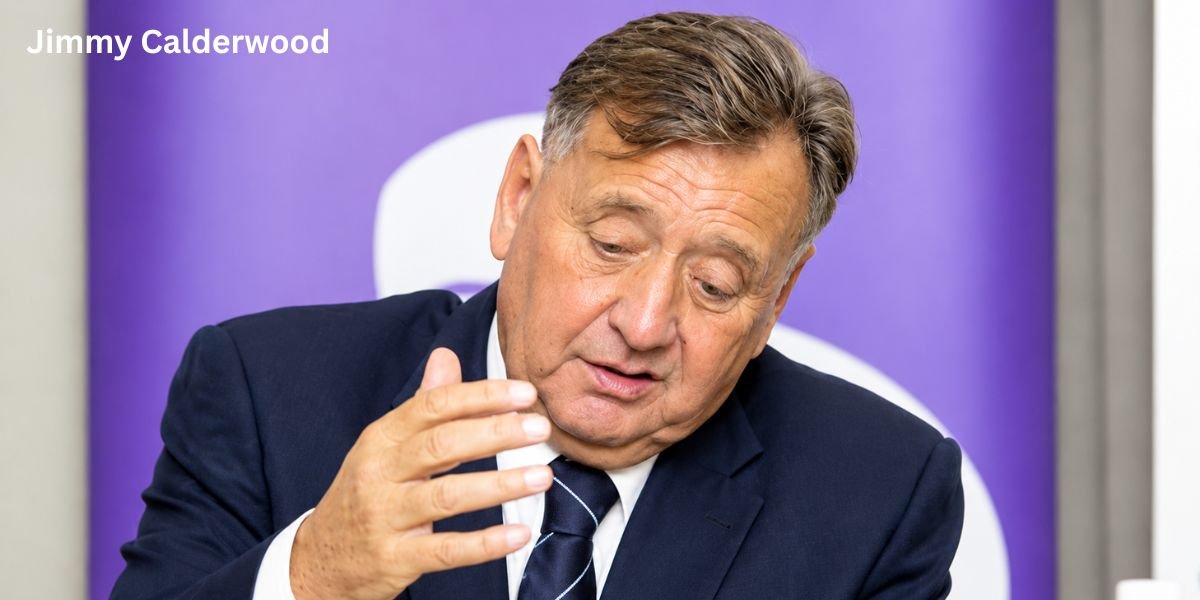
Jimmy Calderwood was one of Scottish football’s most recognizable figures, known for his passionate personality, strong leadership style, and ability to build competitive teams. From his early days as a professional player to his successful managerial career, Calderwood created a lasting impact on the clubs he worked with and the supporters who followed him.
Born in Glasgow, Scotland, Calderwood enjoyed a football journey that took him across different countries and roles. He first made his name as a player before moving into coaching, where his enthusiasm, tactical understanding, and ability to motivate players became his trademarks.
Although he was often remembered for his time managing clubs such as Dunfermline Athletic and Aberdeen, Jimmy Calderwood’s story was much broader. His career included experiences in Scotland and the Netherlands, and his personality made him a memorable character in the football community.
Quick Bio
| Fact | Details |
|---|---|
| Full Name | James Calderwood |
| Date of Birth | February 28, 1955 |
| Place of Birth | Glasgow, Scotland |
| Nationality | Scottish |
| Profession | Football player and manager |
| Playing Position | Defender |
| Famous Clubs Managed | Dunfermline Athletic, Aberdeen |
| Playing Career Highlight | Long spell in English and Dutch football |
| Management Style | Passionate, disciplined, and motivational |
| Date of Death | January 19, 2025 |
Early Life and Playing Career of Jimmy Calderwood
Jimmy Calderwood was born in Glasgow and grew up in a working-class environment where football was a major part of everyday life. Like many Scottish footballers of his generation, he developed his skills through local football before earning the opportunity to play professionally.
His professional playing career began with Birmingham City, where he made his first-team debut in the early 1970s. Calderwood spent several years with the English club, making more than 150 appearances and establishing himself as a reliable defender. His performances showed his determination, physical strength, and commitment on the pitch.
After his time in England, Calderwood moved to the Netherlands, where he continued his playing career with clubs including Sparta Rotterdam, Willem II, Roda JC, and Heracles Almelo. His years in Dutch football exposed him to different styles of play and helped shape his future approach to coaching.
The experience of playing abroad became an important part of Calderwood’s football education. The Netherlands was known for its technical approach, and his time there influenced the way he later viewed player development, tactics, and team organization.
Transition From Player to Manager
After retiring as a player in 1989, Jimmy Calderwood moved into coaching. His transition from defender to manager was a natural step because of his deep understanding of the game and his leadership qualities. He began developing his coaching career in the Netherlands before eventually returning to Scotland.
Calderwood’s early managerial experiences came with Willem II and NEC Nijmegen in the Netherlands. These roles allowed him to develop his ideas about football management and gain valuable experience before taking on bigger challenges.
In 1999, Calderwood returned to Scotland to manage Dunfermline Athletic. This appointment became one of the defining moments of his career because he transformed the club into a competitive side capable of challenging stronger opponents.
His management style was based on organization, teamwork, and creating a strong relationship with his players. He was known as a manager who brought energy and confidence to clubs, often improving teams that needed direction.
Success With Dunfermline Athletic
Jimmy Calderwood’s time at Dunfermline Athletic remains one of the most celebrated periods of his managerial career. When he arrived at the club, he helped create a team that competed successfully in Scottish football and earned recognition for its performances.
Under Calderwood, Dunfermline achieved their highest Scottish Premier League finish at the time, ending the 2003–04 season in fourth place. The club also reached the 2004 Scottish Cup Final, which became a major achievement in its history.
One of Calderwood’s strengths was his ability to find value in players and build a balanced squad. He combined experienced footballers with emerging talent, creating teams that were competitive despite having fewer resources than some of Scotland’s bigger clubs.
His success at Dunfermline established him as one of Scotland’s respected managers. Supporters appreciated his passion, honesty, and ability to make his teams difficult opponents.
Aberdeen Years and European Achievements
In 2004, Jimmy Calderwood became the manager of Aberdeen, another important chapter in his career. He spent five seasons at the club and helped restore Aberdeen as a competitive force in Scottish football.
During his time at Aberdeen, Calderwood guided the club to several strong domestic performances. One of the highlights came during the 2007–08 UEFA Cup campaign when Aberdeen faced European opposition, including a memorable match against Bayern Munich that ended in a 2–2 draw at Pittodrie.
Calderwood’s Aberdeen teams were known for their fighting spirit and organization. He created a team that could compete against clubs with greater financial resources, which made his achievements particularly meaningful to supporters.
However, his time at Aberdeen also included challenges. Football management often involves dealing with pressure, expectations, and difficult decisions, and Calderwood experienced both success and criticism during his tenure.
Later Managerial Career and Football Influence
After leaving Aberdeen in 2009, Calderwood continued working in football. He had managerial spells with Kilmarnock, Ross County, Go Ahead Eagles, and De Graafschap. Although these periods were shorter, they showed his continued passion for coaching.
At Kilmarnock and Ross County, Calderwood helped teams deal with difficult situations, including battles to remain competitive in their leagues. His ability to motivate players remained one of his most recognized qualities.
Even after stepping away from full-time management, Calderwood remained connected to football. He joined the board of directors at Cowdenbeath in 2016, continuing his involvement in the sport.
His influence was not only measured through trophies or league positions. Many players, colleagues, and supporters remembered him for his personality, humor, and genuine love for football.
Jimmy Calderwood’s Personality and Legacy
Beyond tactics and results, Jimmy Calderwood was remembered as a character who brought emotion and enthusiasm to football. He was known for his direct communication style, positive attitude, and ability to connect with people around him.
Football supporters often remember managers not only for victories but also for the atmosphere they create. Calderwood had a reputation for bringing energy to clubs and making himself part of the community surrounding them.
In 2017, Calderwood publicly revealed that he had been diagnosed with early-onset dementia. He used his situation to raise awareness while speaking openly about his experiences and his gratitude for a life spent in football.
Jimmy Calderwood passed away on January 19, 2025, at the age of 69. Tributes from football clubs and supporters highlighted the impact he had throughout his long career.
Conclusion
Jimmy Calderwood’s football journey was filled with memorable moments, from his playing days in England and the Netherlands to his successful managerial career in Scotland. His work with Dunfermline Athletic and Aberdeen established him as an important figure in Scottish football history.
What made Calderwood special was not only his achievements but also his personality. He brought passion, determination, and a strong connection with players and supporters wherever he worked.
His legacy remains one of dedication and enthusiasm for the game. Jimmy Calderwood will be remembered as a manager who believed in teamwork, challenged expectations, and left a lasting impression on Scottish football.
FAQs
Who was Jimmy Calderwood?
Jimmy Calderwood was a Scottish football player and manager known for managing clubs such as Dunfermline Athletic and Aberdeen.
Which clubs did Jimmy Calderwood manage?
He managed clubs including Dunfermline Athletic, Aberdeen, Kilmarnock, Ross County, Go Ahead Eagles, and De Graafschap.
What was Jimmy Calderwood’s biggest achievement?
One of his major achievements was leading Dunfermline Athletic to fourth place in the Scottish Premier League and the 2004 Scottish Cup Final.
What position did Jimmy Calderwood play?
Calderwood played as a defender during his professional football career.
When did Jimmy Calderwood die?
Jimmy Calderwood died on January 19, 2025, at the age of 69.
More read: Tommy Mallet