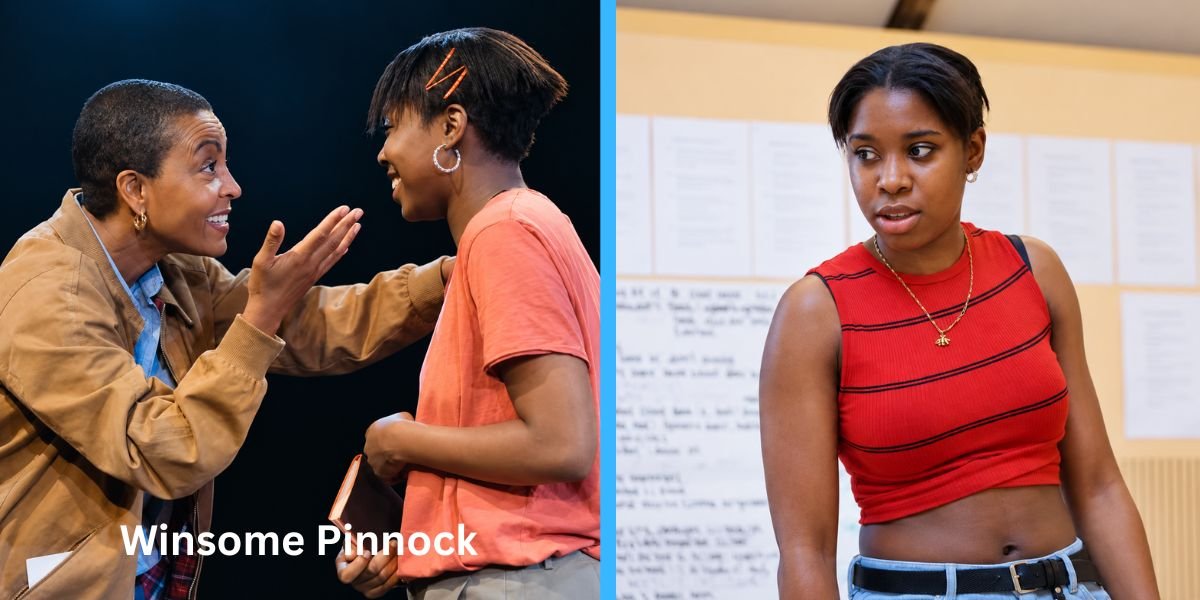
Winsome Pinnock is one of Britain’s most respected contemporary playwrights, known for creating powerful works that explore identity, migration, race, memory, history, and human relationships. Over several decades, she has built a reputation as a writer who brings overlooked voices and complex experiences to the stage. Her work has played an important role in expanding the representation of Black British stories within theatre.
Born in Jamaica and raised in London, Pinnock’s personal background has strongly influenced her creative writing. Her plays often examine the experiences of people living between different cultures, exploring questions about belonging, family, and the impact of historical events on modern lives. Through thoughtful storytelling and emotionally rich characters, she has created theatre that connects personal experiences with wider social issues.
Beyond her writing, Winsome Pinnock has also contributed to the growth of British theatre through teaching, mentoring, and supporting emerging writers. Her career reflects a commitment to making theatre more inclusive and giving space to voices that have historically been underrepresented.
Quick Bio
| Fact | Details |
|---|---|
| Full Name | Winsome Pinnock |
| Birth Year | 1961 |
| Birthplace | Jamaica |
| Nationality | British-Jamaican |
| Profession | Playwright and dramatist |
| Known For | Contemporary British theatre and stage plays |
| Famous Works | Leave Taking, Rockets and Blue Lights, The Sugar-Coated Bullets of the Bourgeoisie |
| Education | Studied at the University of London and Goldsmiths |
| Major Recognition | First Black female playwright at the Royal Court Theatre |
| Writing Themes | Identity, race, migration, history, and belonging |
Early Life and Background of Winsome Pinnock
Winsome Pinnock was born in Jamaica in 1961 and later moved to London with her family. Growing up in Britain as part of the Caribbean diaspora shaped many of the themes that would later appear throughout her writing. Her experiences of cultural transition and identity became important foundations for her creative voice.
London during Pinnock’s childhood and early adulthood was a city experiencing significant social and cultural changes. Communities from the Caribbean, Africa, and other parts of the world were becoming increasingly visible, while also facing challenges connected to discrimination and belonging. These experiences influenced Pinnock’s interest in telling stories about people navigating complex identities.
Before becoming a full-time playwright, Pinnock explored different forms of writing and creative expression. Her journey into theatre developed through her desire to represent experiences that were often missing from mainstream British drama. She became interested in how performance could capture personal struggles while also reflecting larger historical and political realities.
Her background gave her a unique perspective as a writer. Rather than presenting identity as something simple, Pinnock’s work often shows it as layered and constantly evolving. Her characters frequently exist between cultures, generations, and memories, creating stories that feel both personal and universal.
Winsome Pinnock’s Journey Into Theatre
Winsome Pinnock began establishing herself as a playwright in the 1980s, a period when opportunities for Black writers in British theatre were limited. She became part of a generation of artists who challenged traditional ideas about whose stories deserved to be performed on major stages.
One of her earliest and most recognized plays, Leave Taking, premiered in 1987. The play focuses on a Jamaican immigrant family living in Britain and explores themes such as motherhood, cultural heritage, generational conflict, and the search for identity. It became an important work in British theatre because it presented Caribbean British experiences with depth and honesty.
Pinnock’s writing style combines emotional storytelling with thoughtful social commentary. Rather than simply addressing issues of race or migration, she creates detailed characters whose personal journeys reveal the complexities of these experiences. Her plays encourage audiences to think about history, family, and society in more meaningful ways.
Over time, Pinnock became recognized as a significant voice in British drama. Her ability to combine individual stories with broader cultural conversations helped establish her as one of the country’s leading contemporary playwrights.
Major Works and Literary Contributions
One of Winsome Pinnock’s most influential works is Leave Taking, which remains an important play in modern British theatre. The story explores the relationship between a mother and her daughters while examining the challenges faced by immigrant families trying to balance their heritage with life in Britain.
Another notable work is Rockets and Blue Lights, which premiered at the National Theatre in 2020. The play connects historical events with contemporary questions about identity, colonialism, and memory. It examines how the past continues to influence the present, particularly through the legacy of slavery and empire.
Pinnock also wrote The Sugar-Coated Bullets of the Bourgeoisie, a play that explores relationships, social expectations, and the experiences of Black characters navigating different worlds. Like many of her works, it combines personal storytelling with deeper reflections on society.
Her plays are recognized for their emotional complexity and strong character development. Instead of offering simple answers, Pinnock often creates situations where audiences must consider different perspectives and understand the experiences of others.
Themes in Winsome Pinnock’s Writing
A major theme throughout Winsome Pinnock’s work is identity. Many of her characters struggle with questions about who they are, where they belong, and how their personal histories influence their present lives. These themes are especially relevant to people from immigrant and multicultural backgrounds.
Migration is another important subject in her writing. Pinnock often explores the emotional experiences of people who move between countries and cultures. Her stories show that migration is not only a physical journey but also an emotional and psychological experience.
History also plays a central role in many of her plays. Pinnock frequently examines how historical events continue to shape modern relationships and communities. She highlights the connections between personal memories and larger historical forces.
Family relationships are another recurring focus. Through parents, children, and generations, Pinnock explores how traditions, expectations, and experiences are passed down. Her writing shows both the challenges and strengths found within family connections.
Winsome Pinnock’s Impact on British Theatre
Winsome Pinnock has made a significant contribution to British theatre by expanding the representation of Black British experiences on stage. She became the first Black female playwright to have a play performed at the Royal Court Theatre, an important milestone in British drama.
Her success helped challenge traditional ideas about theatre audiences and storytelling. By bringing Caribbean British experiences and other underrepresented perspectives to major stages, she helped create opportunities for future generations of writers.
Pinnock has also supported emerging playwrights through teaching and mentoring. She has worked with young writers and contributed to discussions about diversity, creativity, and the future of theatre.
Her influence extends beyond individual plays. She represents a broader movement toward a theatre landscape where different cultures, histories, and experiences are recognized as important parts of British identity.
Awards, Recognition, and Continuing Career
Throughout her career, Winsome Pinnock has received recognition for her contribution to drama and literature. Her writing has been praised for its originality, emotional depth, and ability to address important social themes.
Her achievements reflect the growing recognition of diverse voices within British theatre. While earlier generations of writers often struggled for opportunities, Pinnock’s career demonstrates how powerful storytelling can help change perceptions and open new creative spaces.
In addition to writing plays, Pinnock has worked in education and theatre development. She has used her experience to encourage new writers and promote a more inclusive approach to storytelling.
Even after decades in the industry, Pinnock continues to be an influential figure. Her work remains relevant because it explores questions about identity, history, and human connection that continue to shape society.
Conclusion
Winsome Pinnock is a pioneering playwright whose work has transformed the landscape of British theatre. Through her powerful storytelling, she has highlighted experiences that were once overlooked and created a deeper understanding of identity, migration, and cultural heritage.
Her plays combine personal emotions with broader social questions, allowing audiences to connect with stories from different backgrounds. From Leave Taking to Rockets and Blue Lights, her writing demonstrates the importance of remembering history while understanding the challenges of the present.
As a writer, mentor, and cultural voice, Winsome Pinnock continues to inspire future generations. Her career shows the lasting impact that thoughtful, honest, and inclusive storytelling can have on theatre and society.
FAQs
Who is Winsome Pinnock?
Winsome Pinnock is a British-Jamaican playwright known for her influential works in contemporary British theatre.
What is Winsome Pinnock famous for?
She is famous for plays such as Leave Taking and Rockets and Blue Lights, which explore identity, migration, and history.
When was Winsome Pinnock born?
Winsome Pinnock was born in 1961 in Jamaica.
What themes does Winsome Pinnock explore in her plays?
Her writing often explores race, identity, family relationships, migration, memory, and cultural heritage.
Why is Winsome Pinnock important in theatre?
She is important for expanding representation in British theatre and creating opportunities for diverse voices and stories.
More read: Michelle McManus